By Gray | St. Onge, Gray St. Onge Real Estate Group
Most people think they know
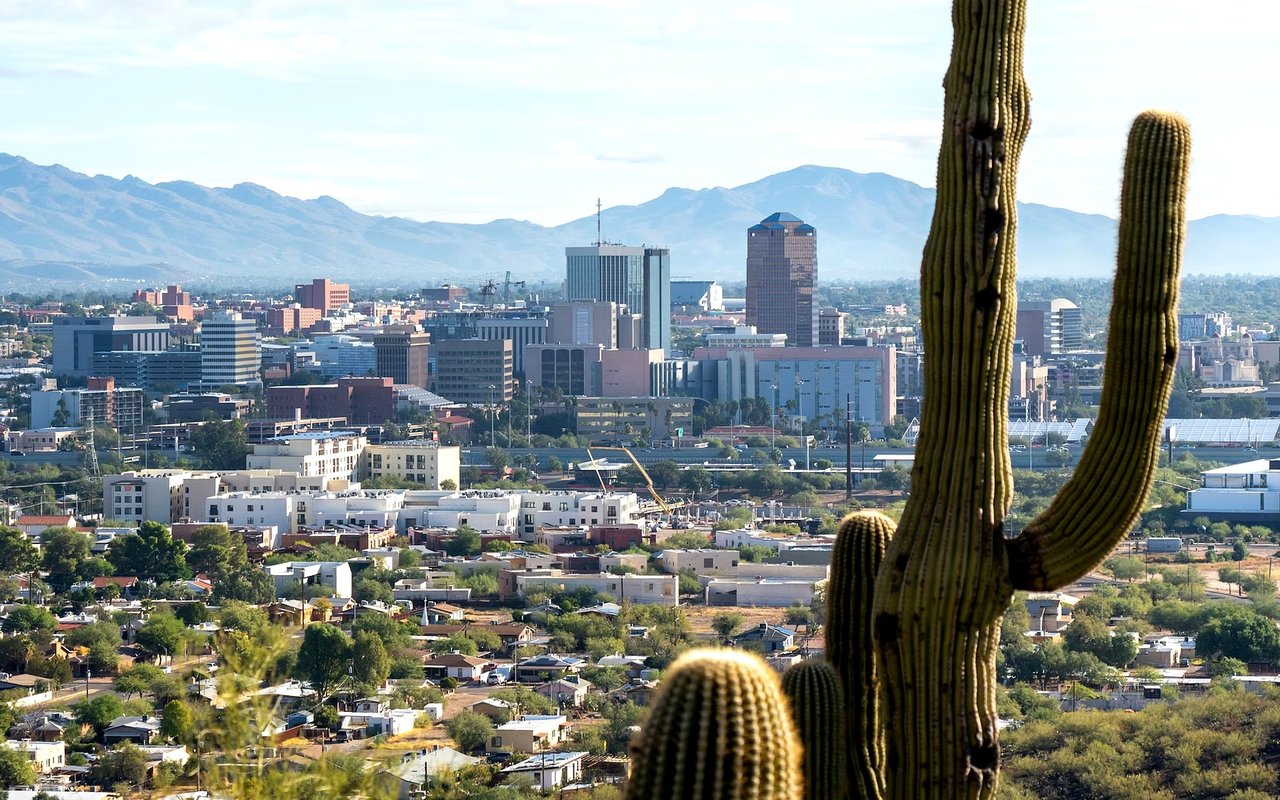
Tucson. They picture saguaro cacti, southwestern architecture, and desert heat. And while those things are certainly part of the story, they represent only the surface of a city that consistently surprises even the most well-traveled buyers we work with at
Gray | St. Onge. The moment clients begin spending real time here — not just passing through, but genuinely exploring — they discover a place of remarkable depth, unexpected sophistication, and a cultural richness that reframes everything they thought they understood about Southern Arizona.
We have had more than a few clients tell us that Tucson was the most pleasant surprise of their real estate journey. What follows is our attempt to share some of what makes this city so genuinely extraordinary.
Tucson Is One of the Oldest Continuously Inhabited Places in North America
Long before it became a city, Tucson was a place people chose deliberately. The Tohono O'odham and Hohokam peoples established settlements in the Santa Cruz River valley more than 4,000 years ago, making the greater Tucson area one of the longest continuously inhabited locations on the North American continent.
The name Tucson itself derives from the O'odham word Cuk Son, meaning “at the base of the black hill”, a reference to the dark volcanic peak now known as Sentinel Peak or A Mountain.
This depth of human history gives Tucson an authenticity that newer Sun Belt cities simply cannot manufacture. The layers of indigenous heritage, Spanish colonial influence, Mexican cultural tradition, and American frontier history are visible throughout the city in its architecture, its food, its art, and the character of its neighborhoods. For buyers who value a sense of place rooted in something real, this history is not a footnote. It is foundational.
Tucson Is a UNESCO Creative City of Gastronomy
In 2015, Tucson became the first city in the United States to receive designation as a UNESCO Creative City of Gastronomy — a distinction it holds to this day and one that reflects something genuine rather than aspirational. The designation recognizes Tucson's extraordinary culinary heritage, which draws on more than 4,000 years of agricultural tradition in the Sonoran Desert, including the cultivation of heritage crops like tepary beans, cholla buds, saguaro fruit, and desert-adapted corn varieties that predate European contact.
What this means practically is that Tucson's food scene operates with a depth of intention and cultural authenticity that distinguishes it from cities many times its size. Restaurants here are not simply serving southwestern cuisine as an aesthetic. They are participating in a living culinary tradition that connects the plate to the land in a way that is rare and deeply compelling. For buyers relocating from major culinary markets, discovering what Tucson's restaurant community has built is consistently one of the most delightful revelations of their transition.
The Sky Above Tucson Is Legally Protected
Tucson and Pima County operate under some of the most comprehensive dark sky ordinances in the world, and the result is a night sky that most urban residents have never experienced in their lifetimes. The city's lighting regulations exist in significant part to protect the operations of Kitt Peak National Observatory, located approximately 55 miles southwest of the city, and the broader network of observatories that have made the Tucson area a global center for astronomical research.
For residents of Tucson's luxury communities in the Foothills and surrounding desert, this means stepping onto your terrace on a clear evening and encountering a sky dense with stars, visible planets, and on fortunate nights, the actual band of the Milky Way arching overhead. It is the kind of experience that recalibrates something quietly important.
We have clients who list the night sky among the things they cherish most about life in their Tucson home, and we understand completely.
Tucson Receives More Sunshine Than Almost Any City in the United States
Tucson averages approximately 350 days of sunshine per year, placing it among the sunniest cities in the entire country and surpassing even Miami and Los Angeles in annual sun hours. This is not simply a pleasant statistic. It fundamentally shapes the quality of daily life here in ways that accumulate meaningfully over time.
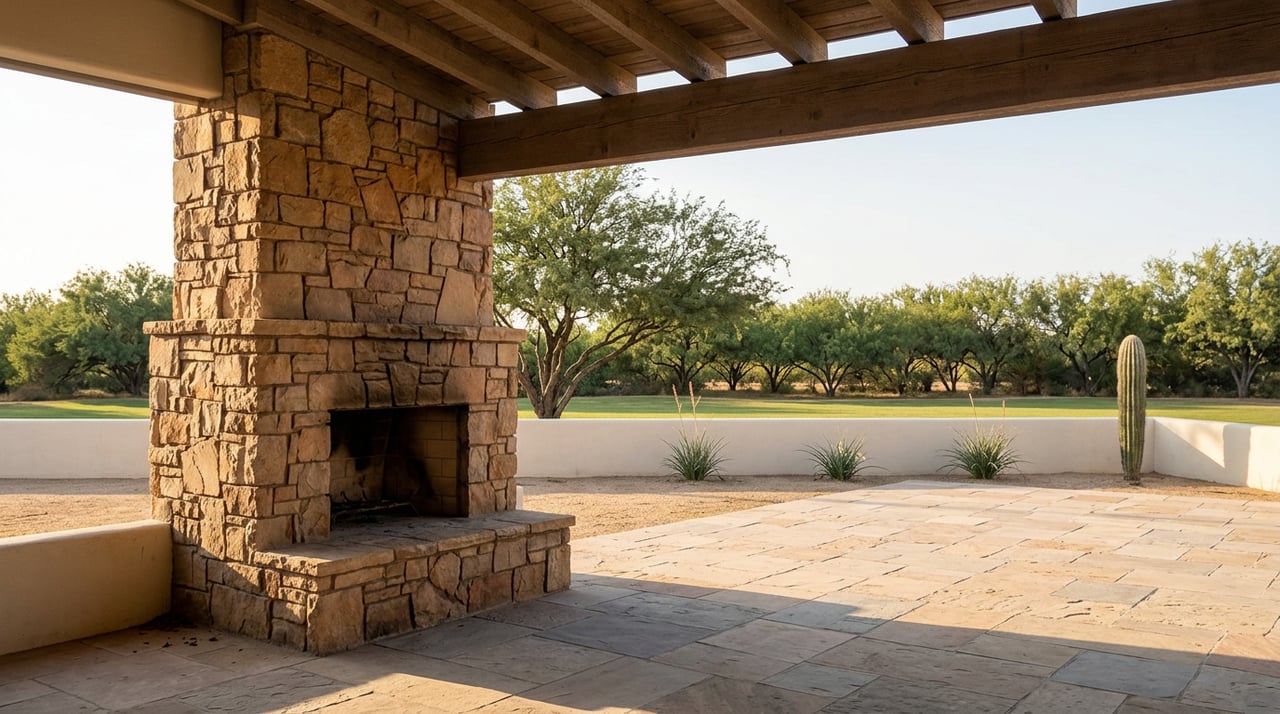
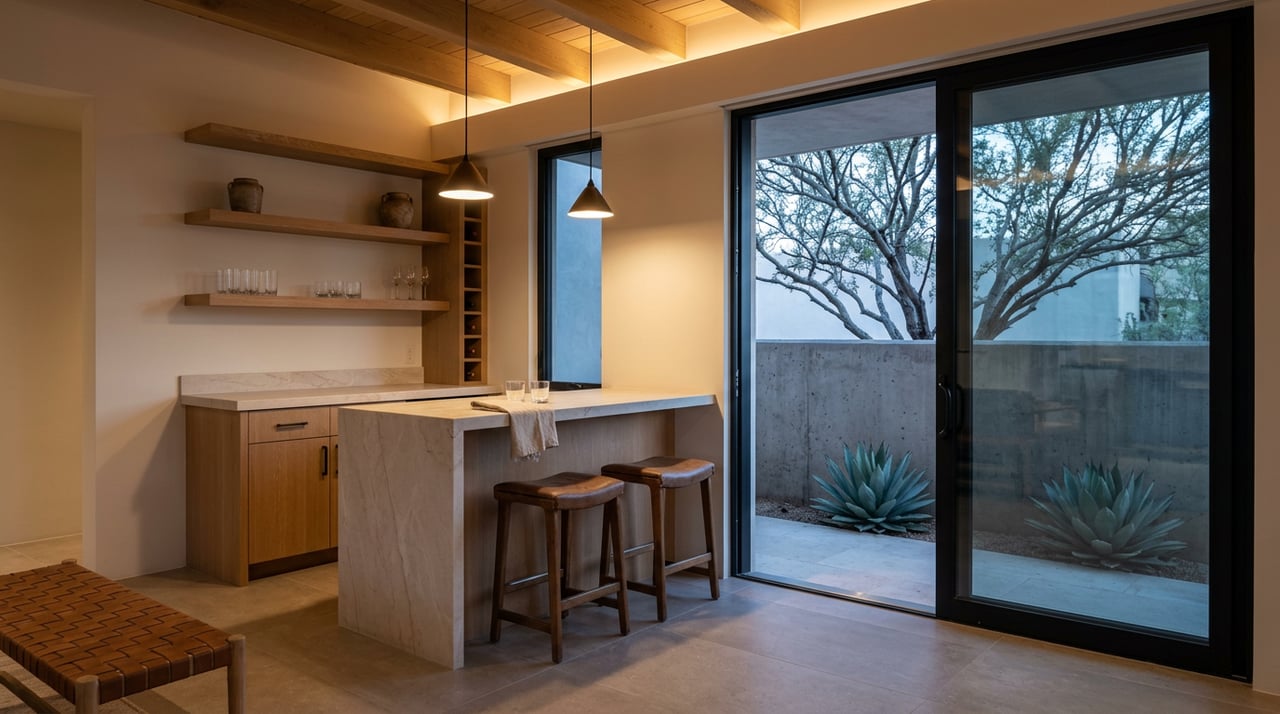
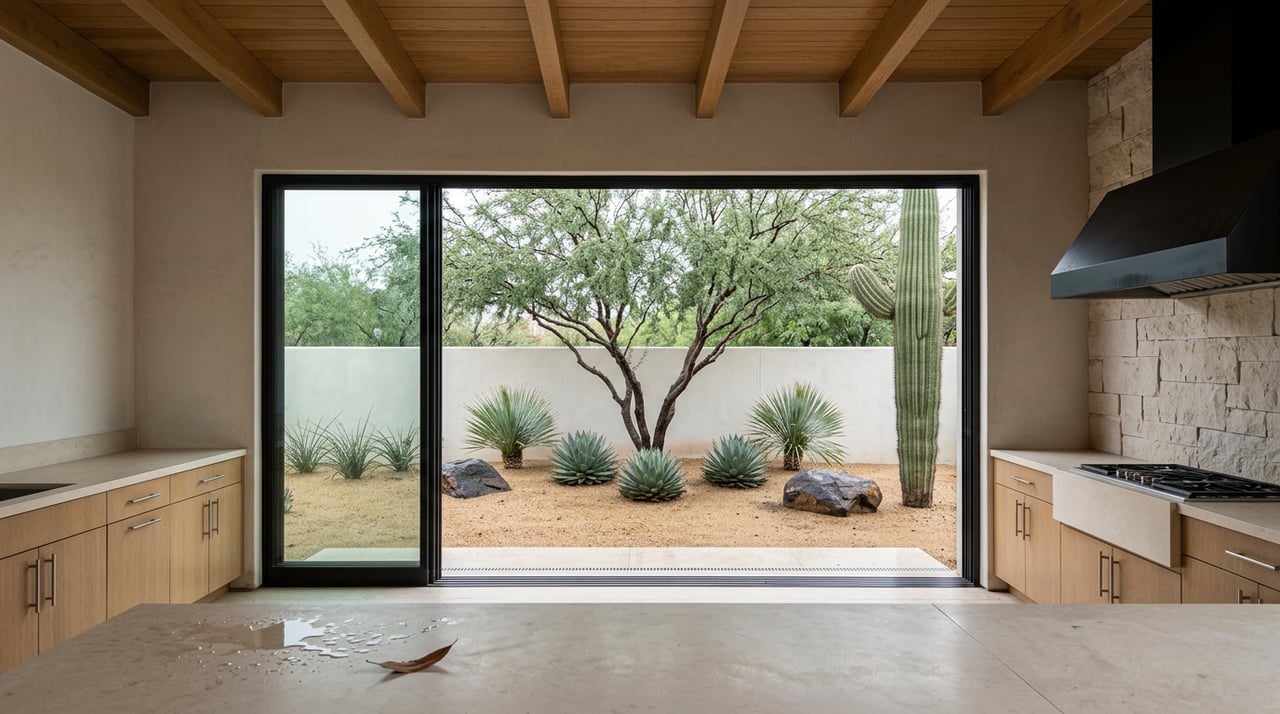
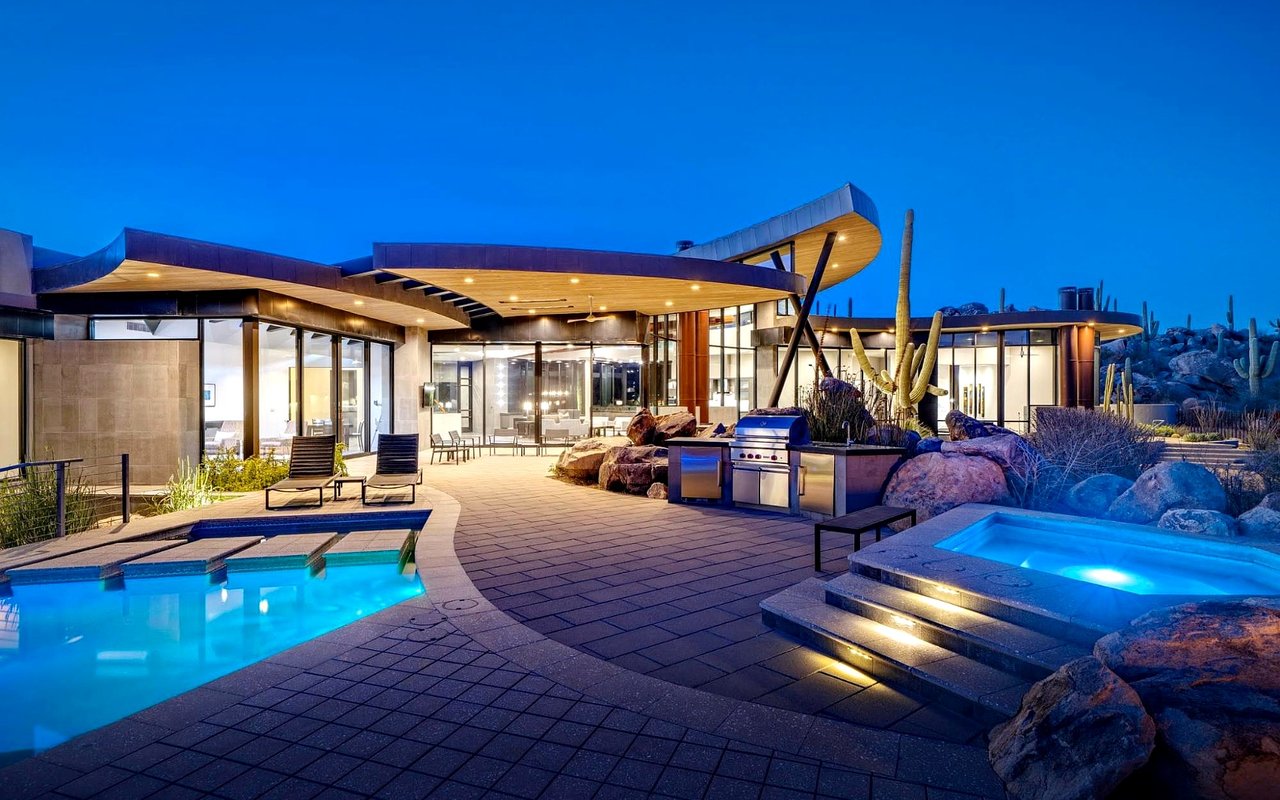
Outdoor living in Tucson is not a seasonal luxury. It is a year-round reality. The thoughtfully designed outdoor spaces that define the finest homes in the Catalina Foothills, Dove Mountain, and Ventana Canyon corridor — covered ramadas, negative-edge pools, outdoor kitchens, fire features, and desert garden environments — are not decorative amenities. They are primary living spaces used consistently across every month of the year.
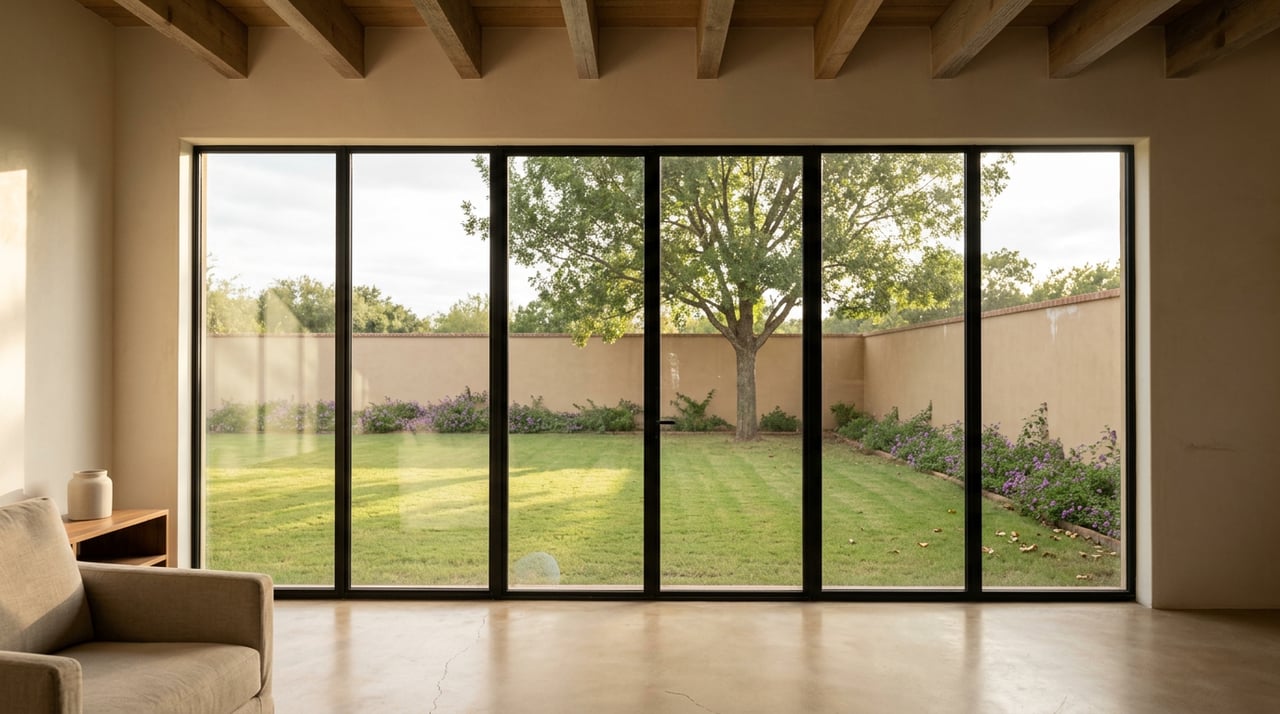
When we show luxury properties here, we treat the outdoor environment with the same seriousness as the interior, because for the buyers who choose Tucson intentionally, it deserves nothing less.
The Sonoran Desert Is the Most Biodiverse Desert on Earth
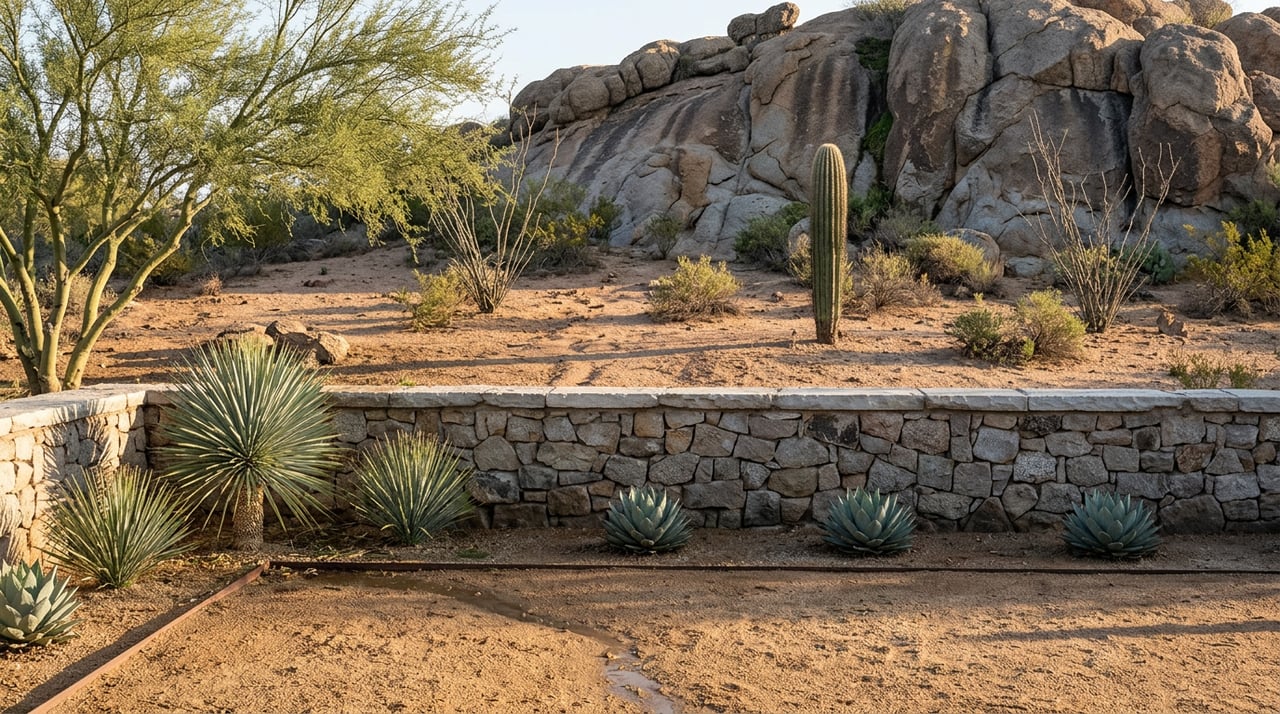
The desert surrounding Tucson is not the barren landscape that the word desert often conjures. The Sonoran Desert, which encompasses Tucson and extends into northwestern Mexico and the southern tip of California, is the most biologically diverse desert ecosystem on the planet. It supports more than 2,000 plant species, 550 vertebrate species, and an extraordinary array of pollinators, migratory birds, and desert-adapted wildlife.
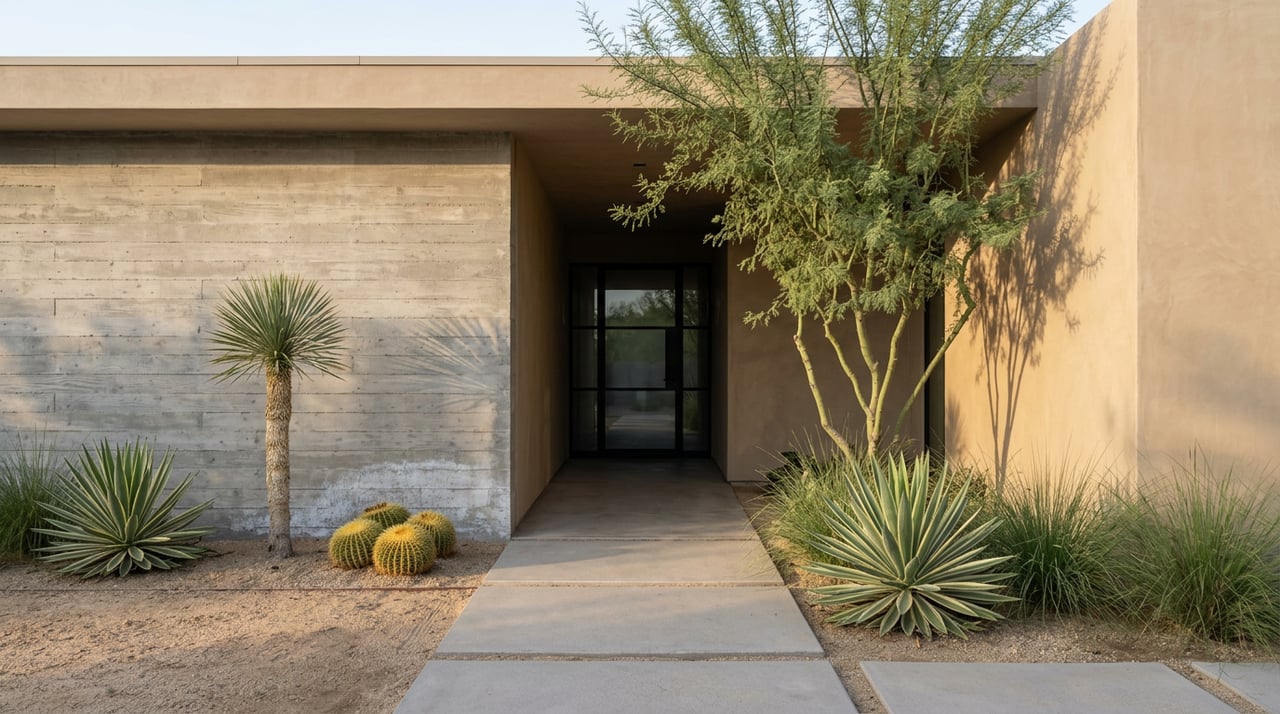
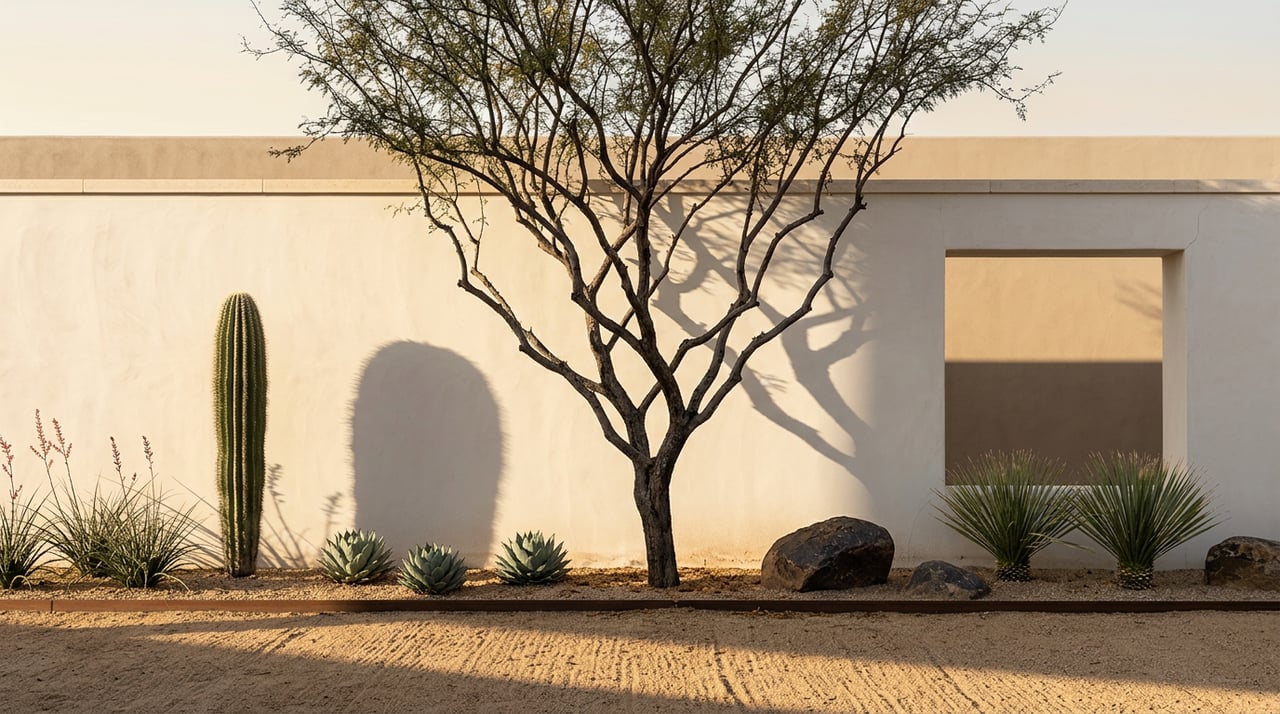
The iconic saguaro cactus, which grows nowhere else on earth in its native form, can live for more than 150 years and reach heights of 40 feet. Tucson's most spectacular luxury properties are designed in genuine dialogue with this landscape — preserving native vegetation, incorporating natural desert terrain into the architectural composition, and creating a sense of immersion in one of the world's most remarkable living ecosystems. Owning a home here means being a steward of something genuinely irreplaceable.
Tucson Has a World-Class University Driving Innovation and Culture
The University of Arizona, founded in 1885, is one of the leading public research universities in the United States and a defining institution of Tucson's identity. Its contributions extend well beyond academic prestige. The university operates one of the world's premier programs in optical sciences, drives significant biotechnology and aerospace research, and anchors a growing innovation ecosystem that attracts talent and investment to the region.
Culturally, the university's presence gives Tucson an intellectual energy and creative vitality that enriches every dimension of city life. The U of A presents a performing arts calendar that brings extraordinary talent to Southern Arizona. Its museum collections, including the Arizona State Museum and the Center for Creative Photography — which holds one of the most significant photography archives in the world — position Tucson as a genuine destination for serious collectors and cultural enthusiasts.
Mount Lemmon Offers a Completely Different Climate 30 Minutes From the Desert Floor
One of the most astonishing things about living in Tucson is that within a 30-minute drive from the desert floor, you can ascend nearly 9,000 feet into a Canadian-zone forest of ponderosa pine, aspen, and fir trees on Mount Lemmon in the Santa Catalina Mountains. The temperature differential between Tucson and the summit can exceed 30 degrees Fahrenheit on a summer afternoon, making Mount Lemmon effectively a private mountain retreat accessible to Tucson residents as a casual afternoon excursion.
In winter, the Ski Valley at Mount Lemmon operates the southernmost ski area in the continental United States. In summer, the same mountain offers cool respite, hiking through extraordinary terrain, and a sense of vertical escape that is simply not available to residents of flatter desert cities. For buyers in the Foothills communities at the base of the Catalinas, the mountain is not a distant amenity. It is a presence that defines the daily visual and experiential horizon.
Tucson Has One of the Most Significant Aerospace and Defense Economies in the Nation
Beyond its cultural and natural attributes, Tucson is a city of serious economic substance. Davis-Monthan Air Force Base, one of the largest and most strategically significant air force installations in the United States, anchors a major military presence that contributes significantly to the regional economy. Raytheon Missiles and Defense, headquartered in Tucson, is one of the largest defense contractors in the world and employs thousands of highly skilled professionals in the region.
This economic foundation provides a stability and depth that insulates Tucson from the volatility that affects markets more dependent on real estate or tourism alone. For buyers evaluating Tucson as an investment market as well as a lifestyle destination, this economic infrastructure is a meaningful part of the calculus.
Frequently Asked Questions About Living in Tucson, AZ
Is Tucson genuinely livable year-round, or is the summer heat prohibitive?
Tucson summers are hot, and we believe in being direct about that. July and August bring high temperatures and the spectacular monsoon season, which delivers dramatic afternoon storms and transforms the desert into something breathtakingly alive.
Most Tucson luxury residents develop a rhythm that embraces early mornings, air-conditioned middays, and glorious evenings. Many second home buyers also travel during peak summer months, returning in September when the city re-emerges into one of its most beautiful seasons.
How does Tucson compare to Scottsdale or Phoenix for luxury living?
Tucson offers a more intimate, authentic, and in many ways more culturally substantial experience than the Phoenix metro at a price point that remains meaningfully more accessible. The lifestyle here is less about spectacle and more about genuine quality — the landscape, the food, the arts, the community. Buyers who have spent time in both markets frequently tell us that Tucson surprised them with how much more it delivered in the dimensions that matter most to them.
What surprises luxury buyers most about Tucson after they relocate?
Almost universally, it is the depth of the community. Tucson has an extraordinary concentration of accomplished, intellectually engaged, culturally active people who have chosen this city deliberately. The social landscape rewards curiosity and genuine engagement, and buyers who arrive open to discovering what Tucson actually is — rather than what they assumed — consistently find it exceeds their expectations.
Is Tucson growing in a way that will affect its character?
Tucson is growing thoughtfully. The city's topography, land use regulations, and strong preservation culture have helped maintain its character in ways that more sprawling Sun Belt cities have not managed. The growth we are seeing is adding vibrancy and economic depth without fundamentally altering what makes Tucson distinctive.
Discover Tucson Through the Eyes of Those Who Know It Best
At Gray | St. Onge, we have spent our careers in this city, and our appreciation for what it offers only deepens with time. If you are considering Tucson as your next home, your second home, or your next significant investment, we would be honored to show you the version of this city that most people never get to see.
Begin your discovery at
gsrealestategroupaz.com.