By Gray | St. Onge, Tucson Luxury Real Estate
We get this question more than almost any other right now: is this the right time to
buy luxury real estate in Tucson? The honest answer is that the conditions shaping Tucson's high-end market in 2026 are more compelling than many buyers and investors realize — and waiting may cost more than acting.
At Gray | St. Onge, we work exclusively in Tucson's most distinguished neighborhoods and price points. We've watched this market through multiple cycles, and what we're seeing right now deserves serious attention from anyone considering a significant real estate investment in Southern Arizona.
The Tucson Luxury Market in 2026: A Snapshot
Tucson has spent years quietly earning its place among the Southwest's most attractive luxury markets. What began as a steady migration of remote workers and retirees seeking a lower cost of entry compared to Phoenix or Scottsdale has matured into something more sustained and more sophisticated.
In 2026, Tucson's high-end real estate segment continues to outperform broader market softness seen in other metros. Properties priced above $1 million in areas like the
Catalina Foothills,
Oro Valley, Dove Mountain, and the private gated communities along the Santa Catalina Mountain corridor are holding their value with remarkable consistency. Inventory in the true luxury tier remains constrained, which is a dynamic that historically supports pricing stability and long-term appreciation.
We are also seeing increased demand from California and Pacific Northwest buyers who recognize that Tucson delivers extraordinary lifestyle value at price points that remain below comparable markets.
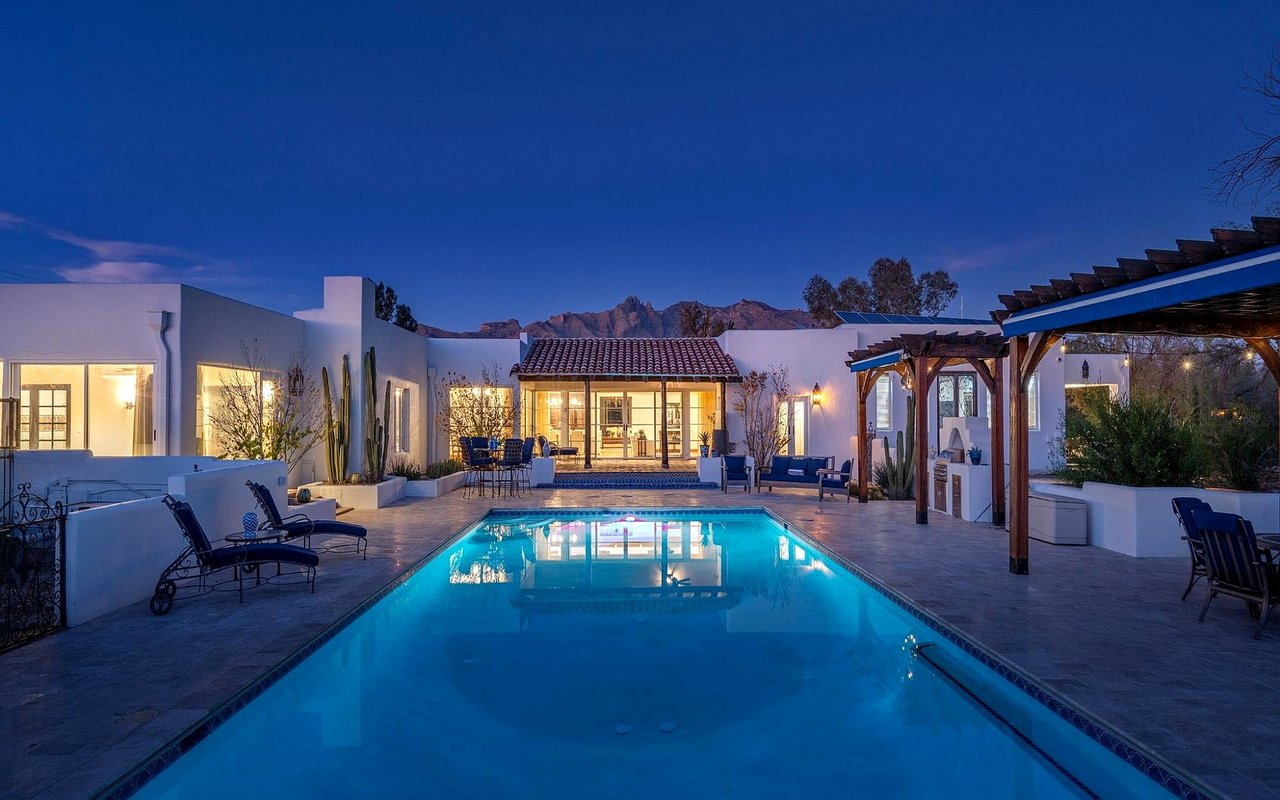
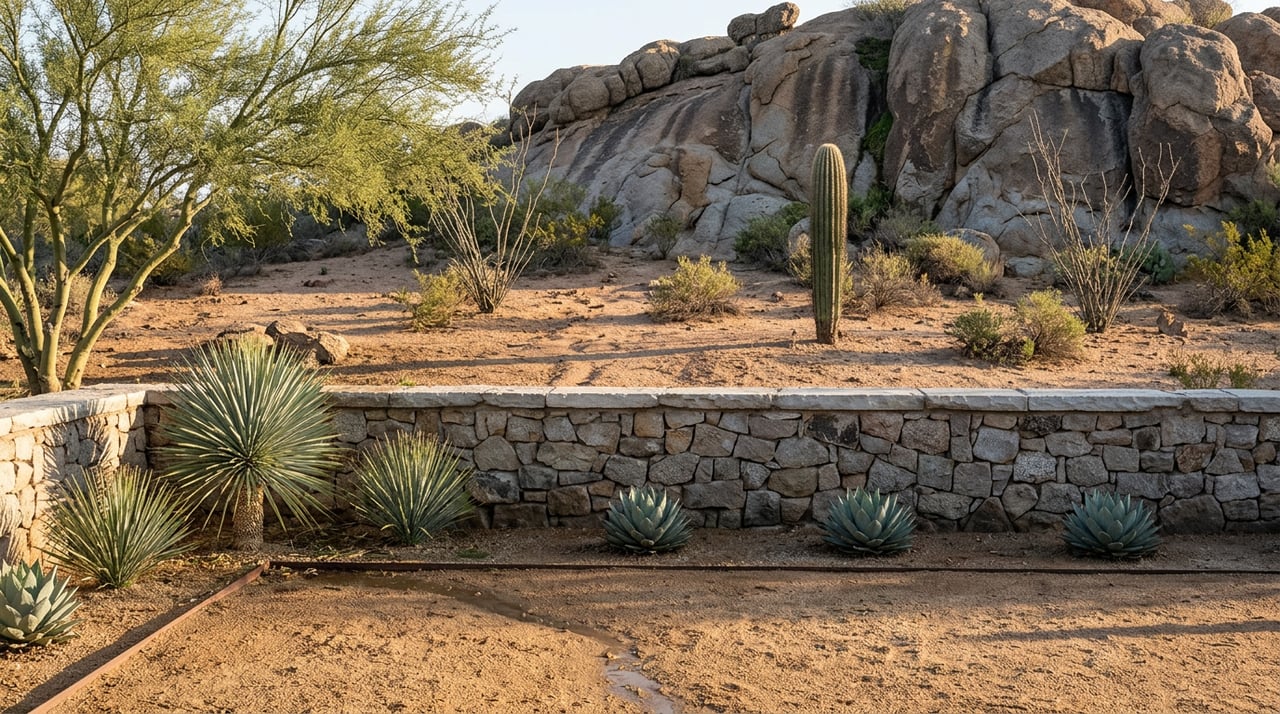
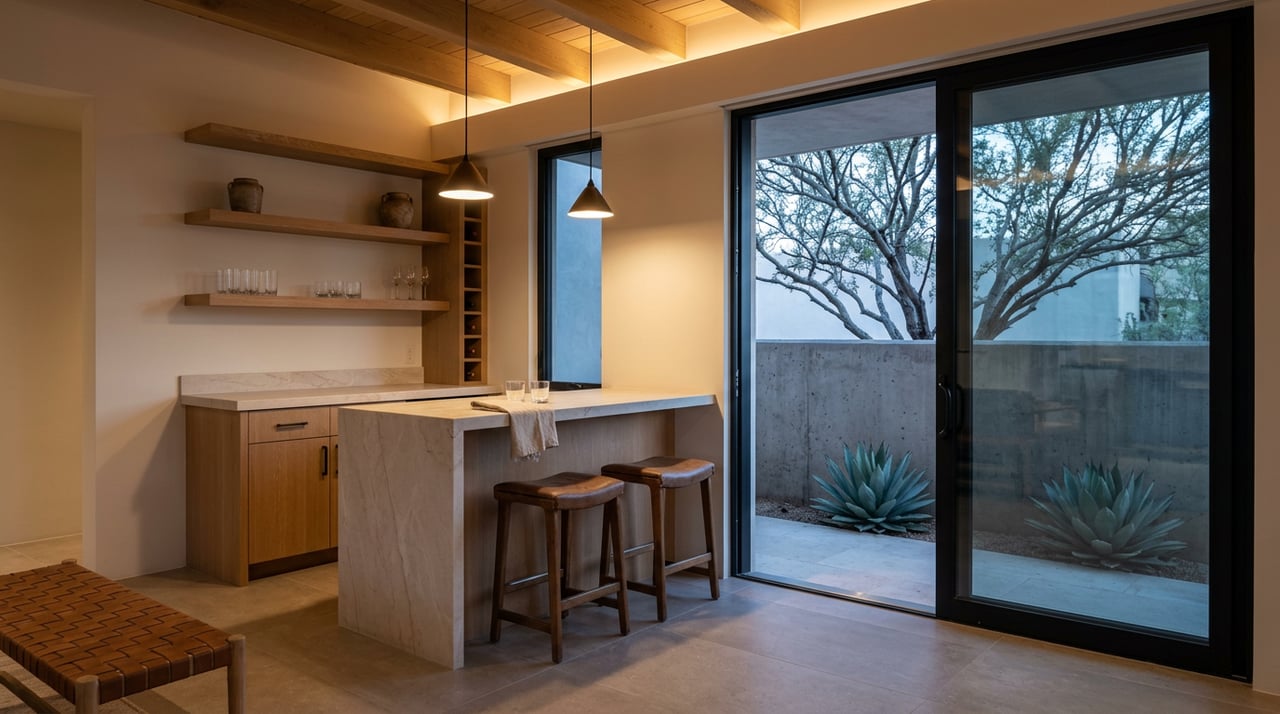
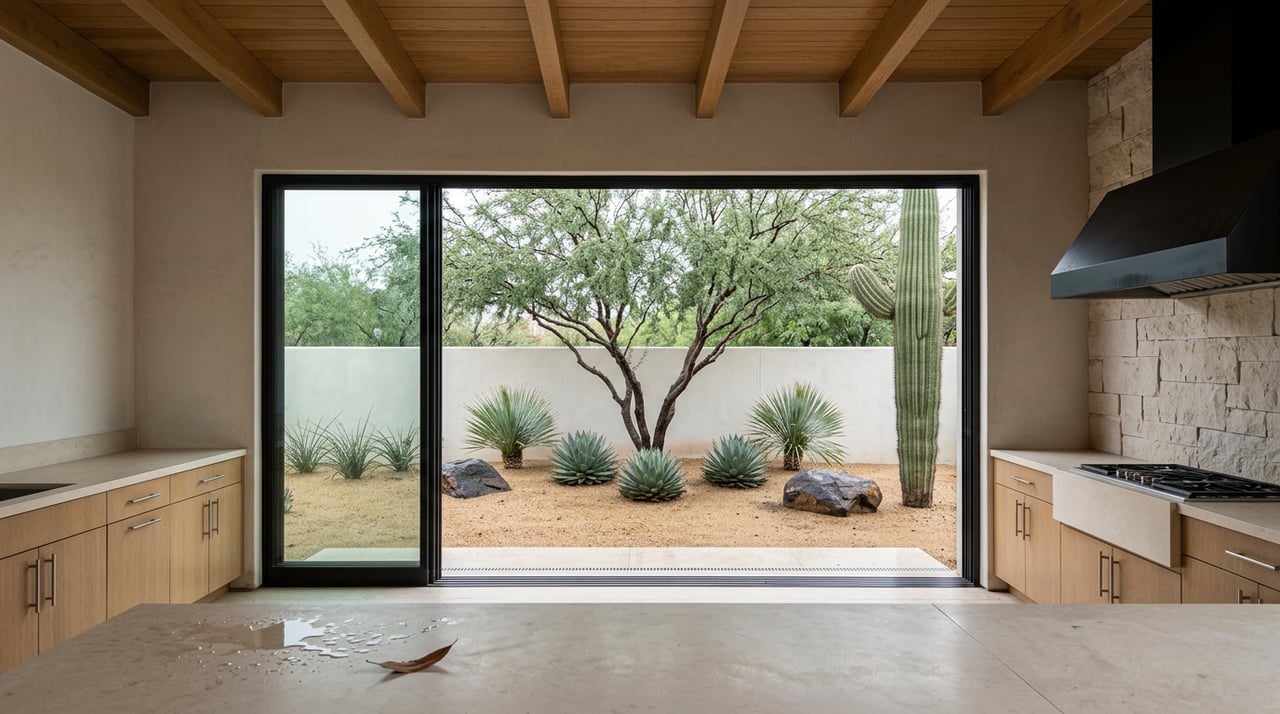
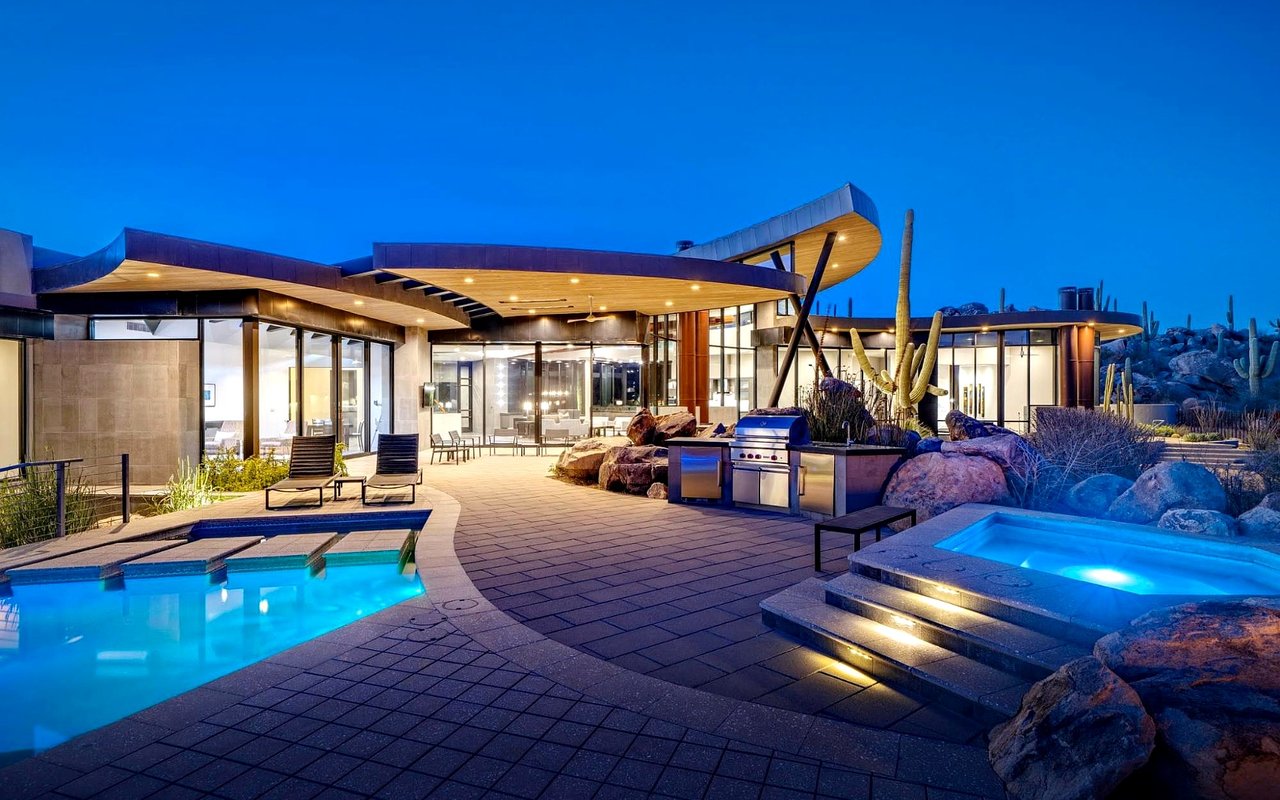
A custom-designed desert contemporary estate on a sprawling lot with mountain views, resort-style outdoor living, and access to world-class golf is simply not available at this price in most other premium Sun Belt destinations.
Why Tucson's High-End Neighborhoods Command Attention
The specific geography of Tucson's luxury market matters enormously when we talk to clients about investment positioning. Let us walk you through the areas we consider most strategically significant heading into 2026.
Catalina Foothills remains the gold standard for Tucson prestige living. Perched against the Santa Catalina Mountains with sweeping city and desert panoramas, this area offers architectural diversity ranging from mid-century organic to contemporary desert modern. Proximity to La Encantada, upscale dining, and some of the finest private schools in Arizona makes this corridor consistently desirable.
Dove Mountain, located in Marana to the northwest, continues to attract buyers who prioritize resort amenities and planned community infrastructure. The Ritz-Carlton resort, multiple high-caliber golf courses, and gated enclaves with newer construction have elevated Dove Mountain into a category that competes directly with Scottsdale's premium communities.
Sabino Canyon and the Northeast Foothills offer a quieter, more nature-immersive luxury experience. Properties here often sit on larger parcels, providing both privacy and direct access to some of the most dramatic Sonoran Desert landscape in the region.
Sam Hughes and Presidio Historic District are capturing a different kind of luxury buyer — one drawn to architectural character, walkability, and cultural proximity to the University of Arizona, Tucson Museum of Art, and a flourishing dining and arts scene along Fourth Avenue and Congress Street.
What the Economic Indicators Are Telling Us
Beyond lifestyle, the underlying economics of Tucson's real estate market support a measured but optimistic investment outlook for 2026.
The University of Arizona continues to anchor a significant employment base and drives demand for long-term housing at all price points. Raytheon Missiles and Defense and other defense contractors maintain a strong local employment footprint, providing economic stability that insulates Tucson from the volatility that affects markets more dependent on a single industry.
Population growth in Pima County remains positive, and infrastructure investment across the region — including expanded transit options, new mixed-use development downtown, and ongoing improvements to Tucson International Airport — signals continued momentum. These are not speculative indicators. They are the kind of foundational economic signals that support sustained real estate appreciation in the premium segment.
Interest rate conditions in 2026 have also created an interesting window for well-capitalized buyers. Cash transactions and low-leverage purchases — which are more common in the luxury segment — are less sensitive to rate environment, meaning high-net-worth buyers can move decisively while others remain on the sidelines.
What Buyers and Investors Should Watch
We advise our clients at Gray | St. Onge to focus on a few key factors when evaluating Tucson luxury properties this year.
Location authenticity matters. Properties with genuine mountain views, meaningful lot size, and architectural integrity are appreciating differently than those without these fundamentals. The luxury premium is real, but it must be tied to something irreplaceable.
New construction versus resale dynamics. Supply of new luxury construction in Tucson is limited by topography and entitlement complexity. This scarcity factor benefits existing high-quality homes and positions well-maintained resale properties favorably.
International and out-of-state buyer activity. We are seeing consistent interest from buyers in Mexico, particularly from Hermosillo and Mexico City, who view Tucson's luxury corridor as both a lifestyle asset and a stable investment. This cross-border demand adds a layer of resilience to the market that is often underappreciated.
Frequently Asked Questions About Tucson Luxury Real Estate in 2026
Is the Tucson luxury market still affordable compared to other Arizona markets?
Yes, meaningfully so. Tucson's luxury properties still offer significant value relative to comparable Scottsdale or Phoenix products. You can acquire a trophy estate in Catalina Foothills at a price point that would purchase a mid-tier home in many comparable Sun Belt markets.
What price range defines luxury real estate in Tucson?
We generally define the true luxury segment as properties priced above $1 million, with ultra-luxury beginning around $2.5 million. The Foothills and Dove Mountain markets contain the highest concentration of homes in these tiers.
Is now a good time to invest, or should I wait for prices to correct?
Waiting for a significant correction in Tucson's constrained luxury inventory carries its own risk. Premium properties with irreplaceable attributes — views, acreage, architecture — do not frequently re-enter the market at lower prices. The buyers who have performed well historically are those who acted when quality inventory was available.
Does Gray | St. Onge work with out-of-state and international buyers?
Absolutely. We regularly guide buyers relocating from California, Texas, the Pacific Northwest, and internationally through the Tucson luxury market, including remote consultation, curated property tours, and full transaction support.
Ready to Explore What Tucson's Luxury Market Can Offer You?
Whether you are considering your first high-end acquisition in Southern Arizona or expanding an existing real estate portfolio, we are here to offer the market intelligence and personal guidance you deserve.
At Gray | St. Onge, we bring deep local knowledge, an extensive network, and an unwavering commitment to our clients' best interests to every transaction.
Explore current luxury listings and learn more about what makes Tucson one of the Southwest's most compelling real estate opportunities at
gsrealestategroupaz.com.