By Gray | St. Onge, Gray St. Onge Real Estate Group
Relocating to a new city is one of the most significant decisions a person or family can make, and when that city is
Tucson, Arizona, the decision deserves to be made with a complete and honest picture of what life here actually looks like.
At Gray | St. Onge, we guide buyers through this transition every day, and we have developed a deep understanding of what people need to know before they arrive, not after. Tucson is a city that rewards those who approach it with genuine curiosity, and what most newcomers discover is that it far exceeds what they imagined.
This guide is designed to give you the real, substantive information that helps you make a confident decision about moving to Tucson and finding the right home within it.
Key Takeaways
- Tucson offers a distinct four-season desert climate with approximately 350 days of sunshine annually and a spectacular summer monsoon season
- The city's luxury real estate market is concentrated in neighborhoods such as The Catalina Foothills, Pima Canyon, Ventana Canyon, La Paloma and Stone Canyon in Northwest, Oro Valley
- Tucson is a UNESCO Creative City of Gastronomy and home to one of the most culturally rich dining and arts scenes in the American Southwest
- The University of Arizona anchors a significant research, healthcare, and innovation economy that contributes to long-term market stability
- Cost of living in Tucson is meaningfully lower than comparable lifestyle destinations including Scottsdale, Santa Fe, and coastal California markets
- Outdoor access to the Santa Catalina Mountains, Saguaro National Park, and Mount Lemmon positions Tucson as an exceptional destination for nature-oriented buyers
- Tucson International Airport offers direct routes to major hubs, making it highly accessible for buyers maintaining connections to other cities
Understanding Tucson's Climate and What It Means for Daily Life
Climate is the first thing most relocation clients ask us about at Gray | St. Onge, and it deserves a thorough and honest answer. Tucson sits at approximately 2,400 feet in elevation, which gives it a meaningfully different climate profile than the Phoenix metro located roughly 100 miles to the north. Summers are hot, with July and August bringing average high temperatures in the mid-to-upper 90s and occasional stretches above 100 degrees. We do not minimize this. Tucson summers require adaptation, and most residents develop routines that front-load outdoor activity into early mornings and late evenings.
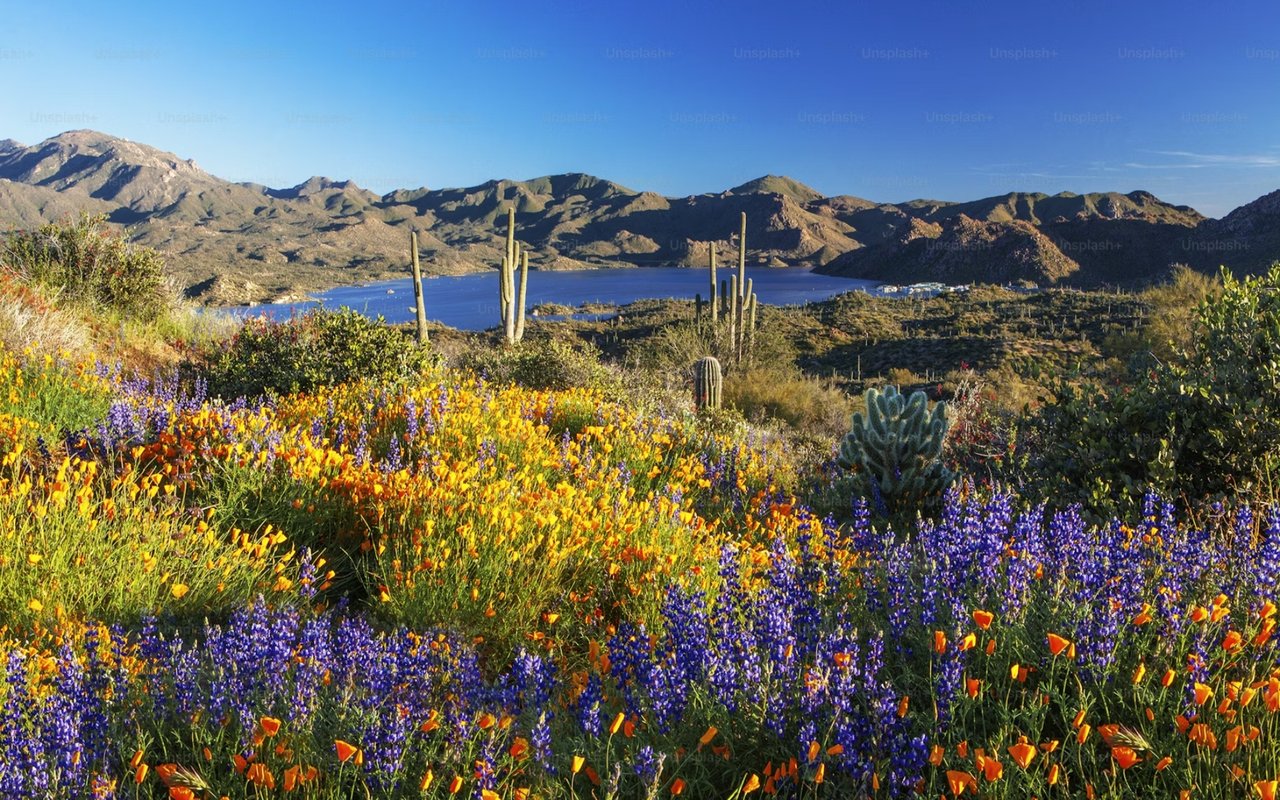
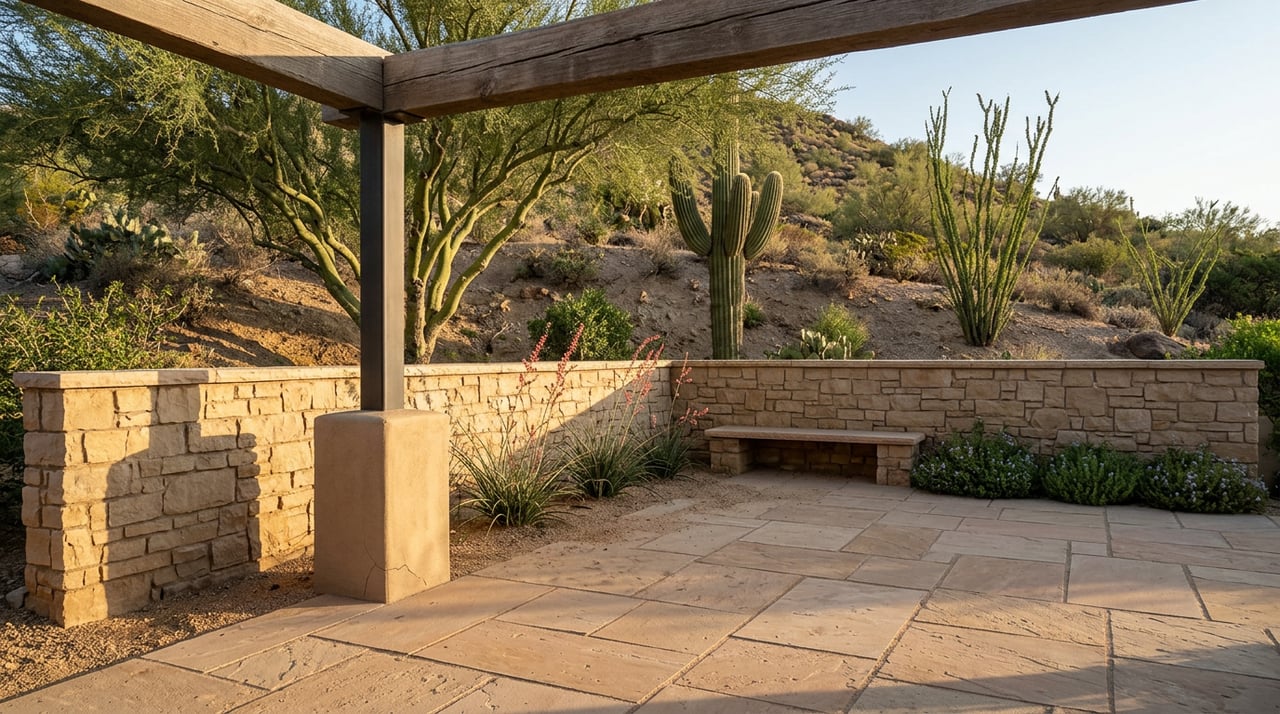
What transforms the summer season is the monsoon. Beginning in late June and peaking through August, Tucson's monsoon delivers dramatic afternoon and evening thunderstorms that cool the air, perfume the desert with the scent of creosote, and produce some of the most visually spectacular weather events you will ever witness. The desert blooms in response, and the landscape shifts into a lush, saturated version of itself that genuinely surprises newcomers expecting relentless aridity.
From October through April, Tucson's climate is exceptional by virtually any standard. Days are consistently sunny, temperatures range from the low 60s to the mid-70s, and outdoor living becomes a daily practice rather than a weekend luxury. The shoulder seasons of spring and fall are particularly magnificent, and the winter months draw seasonal residents and second home buyers from across the country who come specifically for the quality of the light and the warmth of the days.
Tucson's Neighborhoods: Where Luxury Buyers Choose to Live
Understanding Tucson's geography is essential to making a well-informed relocation decision, and at Gray | St. Onge, we invest significant time helping clients understand the distinctions between neighborhoods before they ever begin touring properties.
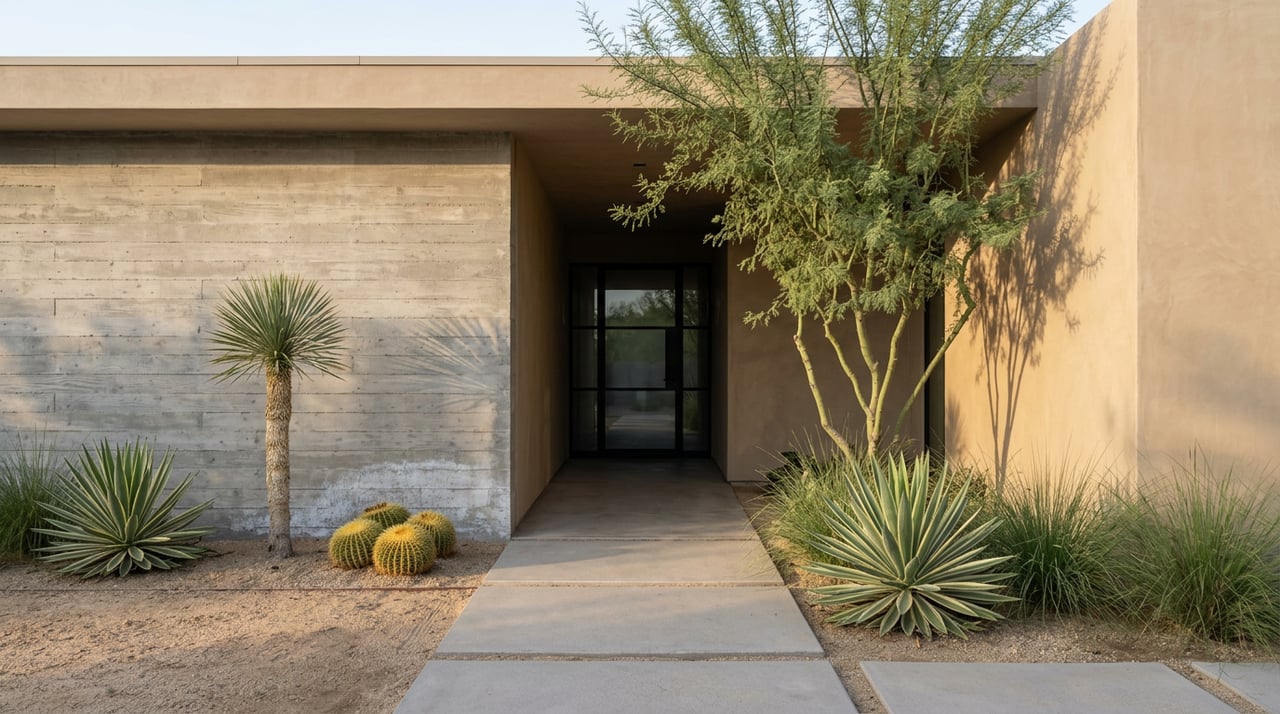
Catalina Foothills is Tucson's most established luxury corridor and the area that most consistently defines high-end residential life in the city. Positioned against the base of the Santa Catalina Mountains in the northern part of the city, the Foothills offer sweeping views of both the mountain range above and the city below, a diverse architectural landscape ranging from mid-century organic designs to contemporary desert estates, and proximity to premier amenities including La Encantada shopping center, Canyon Ranch Tucson, and some of the finest private schools in Arizona. Buyers seeking a primary residence in Tucson's most prestigious address market almost always include the Foothills in their search.
Dove Mountain in the town of Marana to the northwest represents Tucson's most resort-forward luxury environment. The Ritz-Carlton Dove Mountain, multiple championship golf courses designed by Jack Nicklaus and Tom Fazio, and a collection of gated residential communities with newer construction offer buyers a turnkey luxury lifestyle with exceptional amenity access. Dove Mountain attracts buyers relocating from resort communities in other markets who want to maintain that standard of living within a genuine residential context.
Ventana Canyon offers one of Tucson's most intimate and visually dramatic residential settings, with properties positioned within canyon terrain at the base of the Catalinas and access to the Loews Ventana Canyon Resort and the Ventana Canyon Golf and Racquet Club. The natural environment here is extraordinary, and the community maintains a quiet exclusivity that appeals to buyers who prioritize privacy and direct connection to the desert landscape.
The Northeast Foothills and Sabino Canyon Area attract buyers seeking larger parcels, deeper privacy, and immersive access to natural terrain. Sabino Canyon Recreation Area, one of the most visited natural destinations in Southern Arizona, sits at the edge of this residential corridor, providing residents with immediate access to world-class hiking, birding, and desert exploration.
Sam Hughes and the University Area serve a different buyer profile, one drawn to architectural character, walkability, and cultural proximity. The historic homes in Sam Hughes, many dating to the early and mid-twentieth century, offer a sense of place and neighborhood authenticity that newer communities cannot replicate. This corridor is particularly attractive to buyers relocating from culturally dense urban environments who want to maintain that texture of daily life.
The Cost of Living Advantage
One of the most significant and frequently underestimated aspects of relocating to Tucson is the cost of living differential relative to comparable lifestyle markets. Buyers arriving from California, the Pacific Northwest, New York, or even Scottsdale consistently discover that their budget accesses a meaningfully superior property in Tucson than it would in their origin market.
Arizona's income tax structure, property tax rates, and overall cost of living index position Tucson as one of the most financially advantageous luxury relocation destinations in the country. State income tax in Arizona is a flat rate significantly below what buyers leaving California or New York have been accustomed to. Property taxes in Pima County are generally favorable, and there is no estate tax in Arizona, which is a relevant consideration for buyers engaged in long-term estate planning.
Healthcare costs and everyday living expenses follow a similar pattern, and the overall financial picture of relocating to Tucson from a higher-cost market is one that our clients consistently find compelling when they work through the numbers carefully.
Employment, Economy, and Why Tucson's Market Is Stable
For buyers evaluating Tucson not only as a lifestyle destination but as a long-term financial investment, the underlying economic structure of the city is an important part of the conversation. Tucson's economy is anchored by several sectors that provide exceptional stability across market cycles.
The University of Arizona represents one of the most significant economic engines in the region, employing thousands of faculty, researchers, and staff while driving a biomedical, optical sciences, and technology innovation ecosystem that attracts private investment and high-skilled talent. Banner University Medical Center, affiliated with the University of Arizona College of Medicine, is one of the largest employers in the city and positions Tucson as a regional hub for healthcare excellence.
Raytheon Missiles and Defense maintains one of its largest global operations in Tucson, employing a substantial professional workforce in advanced defense technology development. Davis-Monthan Air Force Base adds a major military economic presence that contributes meaningfully to the regional economy and provides a foundation of stability that market observers consistently cite as a differentiating factor for Tucson relative to more single-industry dependent markets.
Education, Arts, and the Cultural Life of the City
Families relocating to Tucson will find a diverse and in many cases excellent educational landscape at both the K-12 and higher education levels. Basis Tucson, consistently ranked among the top schools in the nation by U.S. News and World Report, operates multiple campuses in the Tucson area and draws families who prioritize rigorous academic preparation. Pusch Ridge Christian Academy, Salpointe Catholic High School, and numerous other private institutions provide alternatives across a range of educational philosophies.
Culturally, Tucson operates at a level that surprises most newcomers. The Tucson Museum of Art, the Center for Creative Photography at the University of Arizona, the Tucson Symphony Orchestra, the Arizona Friends of Chamber Music, and a thriving independent gallery scene collectively create a cultural life of genuine substance. The city's UNESCO Creative City of Gastronomy designation reflects a restaurant and culinary community that draws national attention and gives daily life here a quality of flavor, literally and figuratively, that is difficult to find in cities of comparable size.
Outdoor Access and the Natural Environment
Perhaps no aspect of life in Tucson is more immediately transformative for newcomers than the access to extraordinary natural terrain. Saguaro National Park, divided into east and west districts that effectively frame the city on both sides, protects the world's most significant stands of saguaro cactus and offers hundreds of miles of hiking, cycling, and wildlife viewing terrain accessible within minutes of most Tucson neighborhoods.
Mount Lemmon and the Coronado National Forest provide a vertical range of experience unmatched by any other major American city. From the desert floor at 2,400 feet to the summit of Mount Lemmon at nearly 9,200 feet, Tucson's residents can move through five distinct ecological zones in a single morning drive.
The skiing at Mount Lemmon Ski Valley, the hiking in the Pusch Ridge Wilderness, and the birding along the riparian corridors of the Santa Cruz River and Sabino Creek collectively represent an outdoor environment of genuine global significance.
Frequently Asked Questions About Moving to Tucson
What is the best neighborhood in Tucson for luxury buyers relocating from out of state?
The answer depends on how you intend to use the home and what lifestyle priorities matter most to you. Catalina Foothills is the most consistently recommended starting point for buyers seeking established luxury, prestige, and proximity to the city's finest amenities. Stone Canyon and Dove Mountain are ideal for buyers prioritizing resort amenities and newer construction. We at Gray | St. Onge always recommend an in-person exploratory visit before making a final neighborhood decision.
How long does it typically take to find and close on a luxury home in Tucson?
In the current market, well-prepared buyers working with a knowledgeable team can typically identify and close on a Tucson luxury property within 30 to 60 days. Inventory in the true luxury tier above $1.5 million is limited, which reinforces the value of working with a team that has advance knowledge of properties before they reach the open market.
Is Tucson a good place for families with children?
Tucson supports family life exceptionally well at the luxury level. The combination of outstanding private school options, extraordinary outdoor access, a safe and community-oriented residential culture in the Foothills and Dove Mountain corridors, and the cultural programming available through the University of Arizona makes Tucson a genuinely excellent environment for raising children.
What should I know about the monsoon season before moving to Tucson?
The monsoon runs approximately from late June through mid-September. It brings afternoon and evening thunderstorms, occasional flash flooding in washes and low-lying areas, and dramatic temperature relief. Properties in the Foothills and elevated neighborhoods are generally well-positioned relative to flood risk, and any buyer we work with at Gray | St. Onge receives thorough guidance on flood zone designations during the due diligence process.
How does Tucson's real estate market perform as a long-term investment?
Tucson's luxury segment has demonstrated consistent appreciation over the long term, supported by constrained inventory, ongoing population growth, a stable multi-sector economy, and sustained demand from out-of-state buyers. Properties with irreplaceable attributes — mountain views, significant lot size, architectural distinction — have historically performed with particular strength.
Ready to Make Tucson Your Home?
Relocating is a significant undertaking, and choosing the right real estate partner makes an extraordinary difference in how that transition unfolds. At Gray | St. Onge, we bring deep local expertise in the luxury market space, with an extensive network, and a genuine commitment to our clients' long-term satisfaction to every relocation we support. Whether you are in the earliest stages of exploration or ready to move forward, we welcome the opportunity to guide you.
Begin your Tucson relocation journey at
gsrealestategroupaz.com.